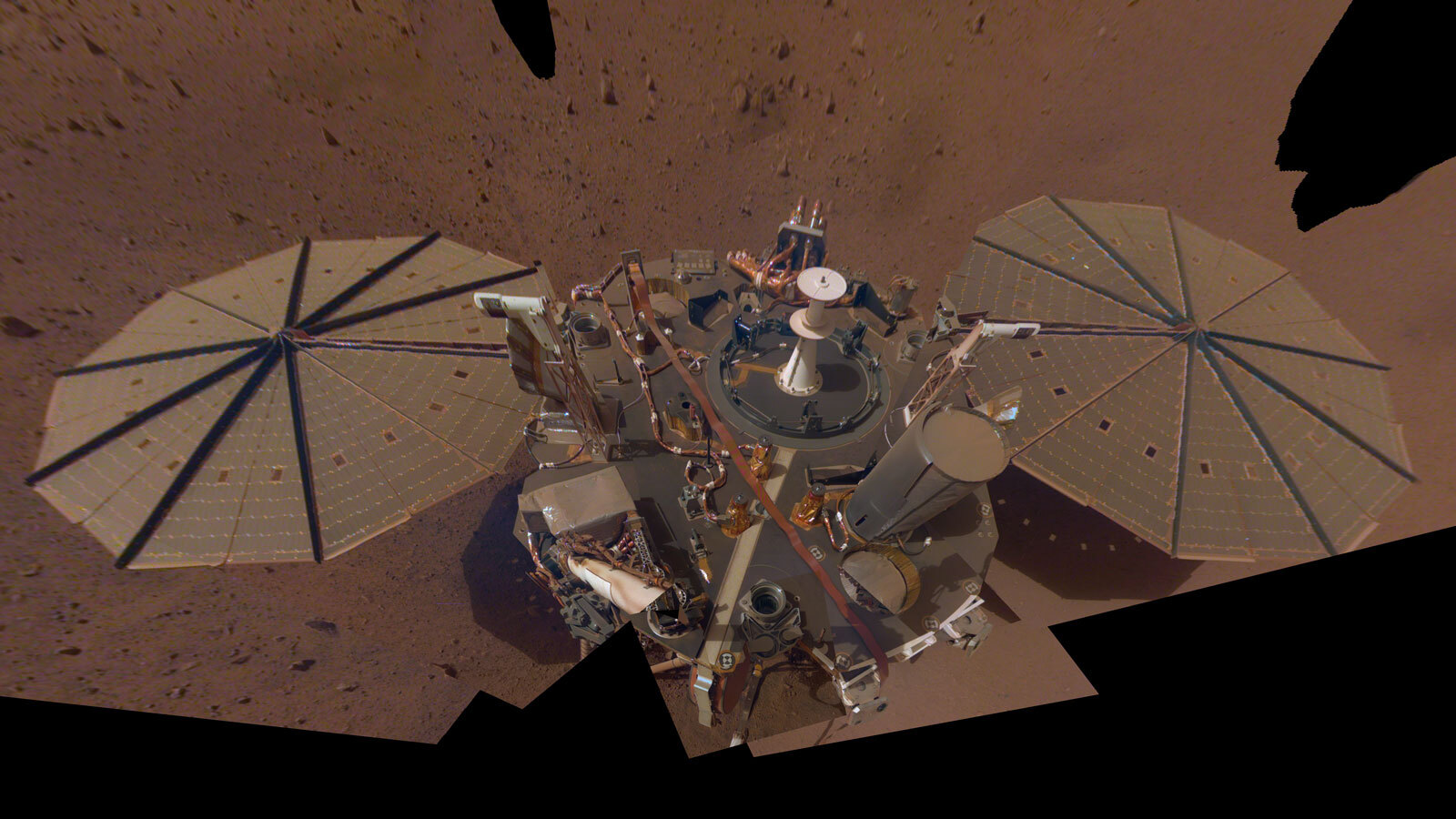
The lander cleared enough dust from one solar panel to keep its seismometer on through the summer, allowing scientists to study the three biggest quakes they’ve seen on Mars.

The lander cleared enough dust from one solar panel to keep its seismometer on through the summer, allowing scientists to study the three biggest quakes they’ve seen on Mars.
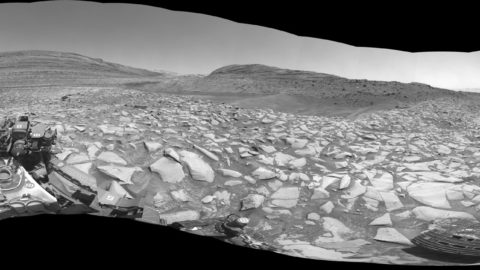
The mission has concluded that the solar-powered lander has run out of energy after more than four years on...
Estimated to be magnitude 5, the quake is the biggest ever detected on another planet. Read More
After testing a bristling array of instruments on its robotic arm, NASA’s latest Mars rover gets down to business:...
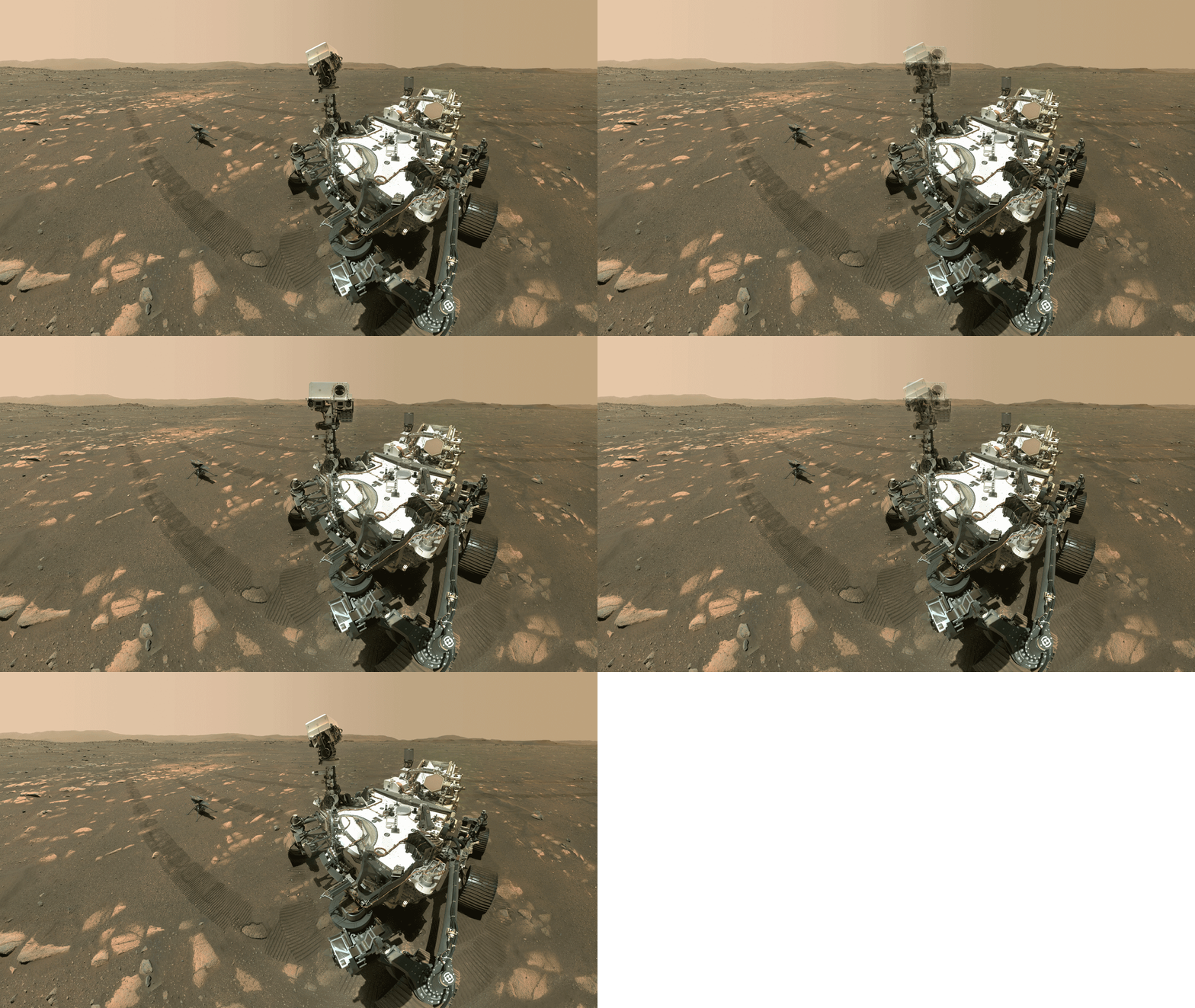
The Red Planet rotorcraft will shift focus from proving flight is possible on Mars to demonstrating flight operations that...
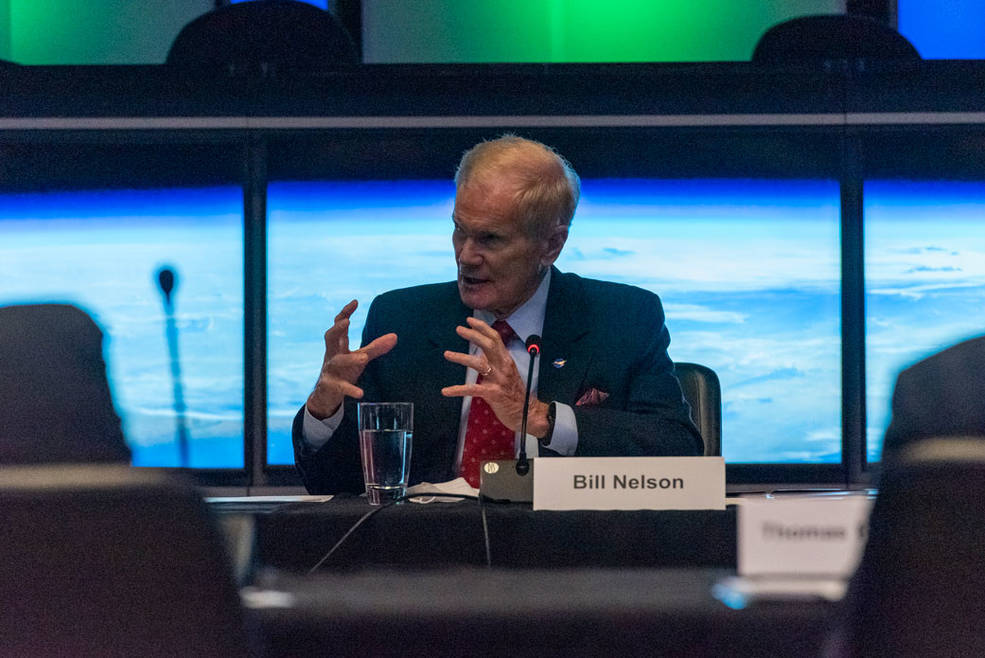
NASA Administrator Bill Nelson and Deputy Administrator Pam Melroy met with elected officials about Earth science and visited mission...
The Mars lander’s seismometer has picked up vibrations from four separate impacts in the past two years. Read More
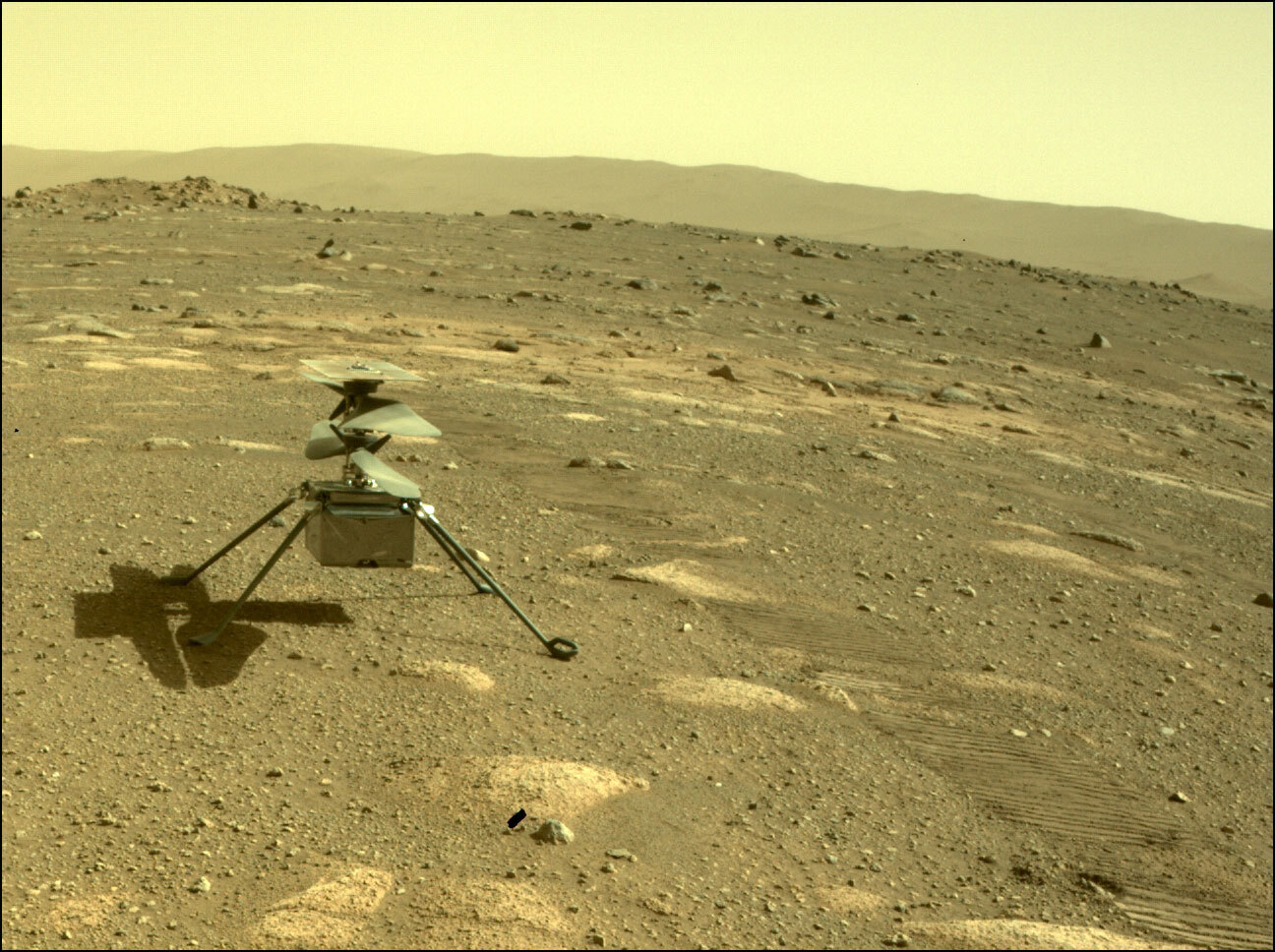
NASA’s Ingenuity helicopter can be seen on Mars as viewed by the Perseverance rover’s rear Hazard Camera on April...